Articles
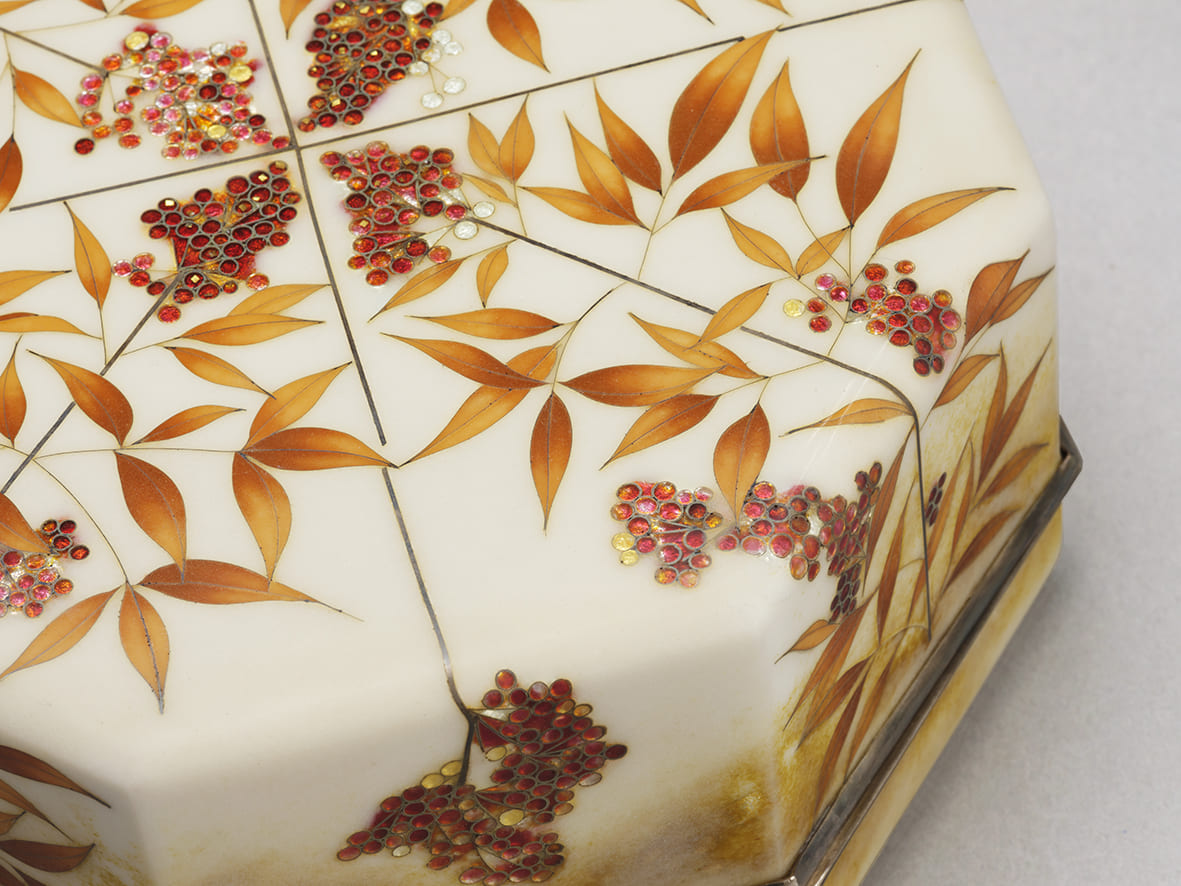
On Owari cloisonné — its history, its techniques, and how to look at the work.

Japanese Symbols and Their Meanings: Animals, Plants, Objects and Numbers
Japanese symbolic meanings are unusually systematic. A crane on a wedding gift…
Japanese Traditional Crafts: The Officially Designated Kogei and How to Understand Them
"Japanese traditional crafts" sounds like a vague cultural category. In Japan …

Japanese Traditional Patterns and Their Meanings: A Guide to Classic Wagara Designs
Japanese traditional patterns are not decoration in the Western sense. Almost …

Japanese Traditional Souvenirs: What to Buy, Where to Buy It, and What to Avoid
Japan makes buying souvenirs unusually easy and unusually confusing at the sam…

Mottainai: The Japanese Word for Waste That Became an Environmental Slogan
Mottainai is usually translated as "what a waste," which captures the situatio…
Omotenashi: What Japanese Hospitality Actually Means and Where It Comes From
Omotenashi became widely known internationally in 2013, when it was used in To…
Sakura Pattern Meaning: What the Cherry Blossom Represents in Japanese Culture
The cherry blossom is the most widely recognised Japanese motif internationall…

Shibui: The Japanese Aesthetic of Quiet, Understated Beauty
Shibui is a Japanese word that resists translation, because the nearest Englis…
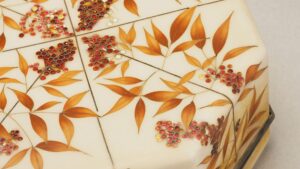
Shippo Ware: What the Term Covers, Where It Is Made, and What Collectors Mean by It
"Shippo ware" turns up in auction catalogues, museum labels and dealer listing…
Shippo-Yaki: The Japanese Enamel Craft Named After the Seven Buddhist Treasures
Shippo-yaki is the Japanese name for what English speakers usually call Japane…